Hand Drawn Lines Covers in Retro Color: A Design Asset
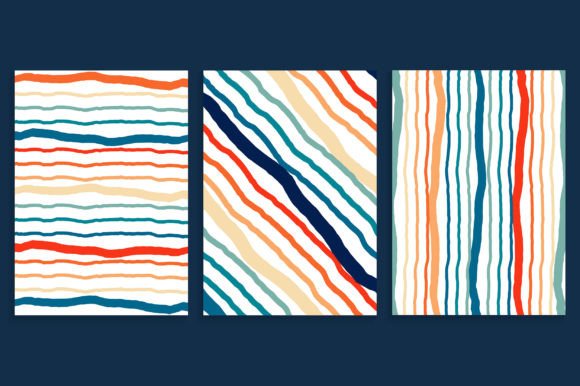
There's a certain warmth to design elements that feel human-made. In a digital landscape filled with crisp vectors and perfect gradients, the tactile quality of a hand-drawn line can stop a viewer in their tracks. This is the core appeal of the Hand Drawn Lines Covers in Retro Color collection. It’s a set of design assets that channels a vintage aesthetic, evoking the feel of old science textbook illustrations, mid-century pattern books, or 1970s graphic art. The lines aren't sterile; they have a subtle, organic texture that digital tools often struggle to replicate authentically.
This particular collection is built around a retro color palette. Think muted oranges, deep teals, earthy browns, and soft creams. These aren't the vibrant, saturated hues of modern branding; they are tones that have been slightly "dusted" by time, giving them an inherent sense of history and comfort. The personality of these covers is nostalgic, artistic, and slightly intellectual. They suggest a story, a process, or a craft. For designers, marketers, and content creators, this isn't just another set of backgrounds—it's a shortcut to a specific, curated mood.
Practical Applications for Creators and Brands
Understanding where an asset like this works best is key to using it effectively. The Hand Drawn Lines Covers in Retro Color style excels in projects where you want to communicate authenticity, creativity, or a connection to the past. Its versatility is one of its strongest points, largely because of its well-organized and layered file structure.
For editorial design and publishing, these covers are ideal for book jackets in genres like literary fiction, poetry, art theory, or historical narratives. They can serve as chapter title pages, instantly setting a distinct tone. A blogger could use them as unique featured images for articles on design history, DIY projects, or personal essays, making their content more visually engaging and shareable on social media.
In brand identity and logo design, this aesthetic works beautifully for businesses that want to project a handcrafted, artisanal, or intellectual image. Consider a specialty coffee roaster, an independent bookstore, a workshop-based brand, or a creative agency. Using these elements in packaging design or on a website background can build a cohesive brand identity that feels thoughtful and distinct from competitors using generic corporate templates.
For social media graphics, the retro, hand-drawn look is highly effective. It breaks through the monotony of polished, algorithm-friendly visuals. It can be used for quote cards, promotional banners, or profile backgrounds that tell a visual story. Marketers can leverage this style for campaigns targeting audiences who value authenticity and craftsmanship over mass-produced aesthetics.
Influence on Perception and Engagement
The choice of visual style directly influences how an audience perceives a message. The Hand Drawn Lines Covers in Retro Color collection can significantly impact several key areas of design and communication.
- Brand Perception: Using this style moves a brand away from a cold, corporate feel toward one that is approachable, creative, and human. It suggests that real people are behind the work, which builds trust and relatability.
- Visual Hierarchy: As a background or cover element, its textured nature creates a rich surface. This allows typography—whether a serif font for elegance or a clean sans serif font for modern contrast—to stand out with clarity. The background supports the message without competing with it.
- Audience Engagement: Nostalgia is a powerful emotional trigger. This design can evoke positive memories and associations, making content more memorable. It encourages viewers to slow down and appreciate the visual detail, which can increase time spent with a piece of content.
However, readability is paramount. The strong visual character of these covers means they are best used as supporting elements. For text-heavy applications, pairing them with a highly legible typeface is non-negotiable. A simple, bold display font for headlines and a clean body font ensure your message isn't lost in the artistry.
Working with the Files: A Practical Guide
This collection is delivered as premium font-adjacent design assets, structured for professional use. What you will get is a set of files designed for flexibility: one AI file for Adobe Illustrator, one EPS 10 file for broader compatibility, and three high-resolution JPGs (4000x5656 pixels at 300 DPI).
The "well organized and layered" aspect is crucial. In software like Adobe Illustrator, you can ungroup and isolate individual hand-drawn line elements. This means you aren't locked into the provided compositions. You can extract a single looping line, a cluster of geometric shapes, or a textured frame and use it independently. This transforms the asset from a static background into a library of customizable components.
Evaluating project fit is your first step. Ask yourself: Does my project's tone align with retro, artistic, and human-centric themes? Is my target audience likely to appreciate this aesthetic? For a tech startup's app interface, it might be a mismatch. For a musician's album art or a bakery's menu, it could be perfect.
Testing font pairings is where the magic happens. Because these covers have a strong personality, your typography needs to complement, not clash. A classic serif font like Garamond can enhance the vintage feel. A geometric sans serif font like Futura can create a compelling mid-century modern contrast. Avoid overly ornate script fonts or handwritten fonts that might compete for attention and reduce readability.
Finally, always be mindful of commercial licensing. While the asset is provided for use, understanding the specific license terms for commercial projects, merchandise, or client work is a professional necessity. Review the license details included with your purchase to ensure your usage is compliant and ethical.
In essence, the Hand Drawn Lines Covers in Retro Color collection is more than decorative filler. It's a strategic tool for injecting personality, warmth, and a distinct visual voice into a wide array of creative projects. By understanding its strengths and applying it thoughtfully, you can create work that feels both timeless and intentionally crafted.