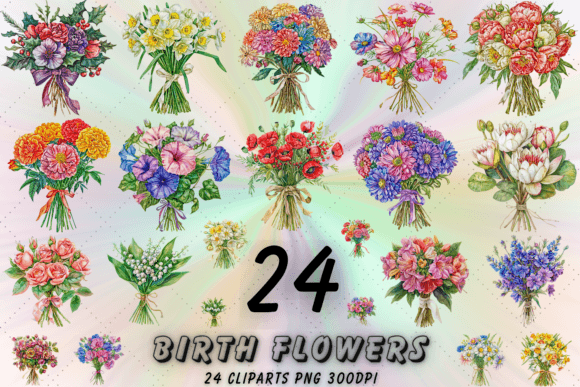
Birth Month Flower Watercolour Clipart: A Blooming Design Asset
Finding the right visual element can transform a project from forgettable to deeply personal. For designers, crafters, and small business owners, the Birth Month Flower Watercolour Clipart set offers a unique and versatile solution. This collection isn't just a random assortment of botanicals; it's a curated set of 24 images, each representing a birth month flower, rendered in a colorful, whimsical watercolour style. Each file is a substantial 4096 x 4096 pixel transparent PNG at 300 DPI, making them a premium design asset ready for both digital screens and high-quality print.
The Whimsical Appeal of Watercolour Botanicals
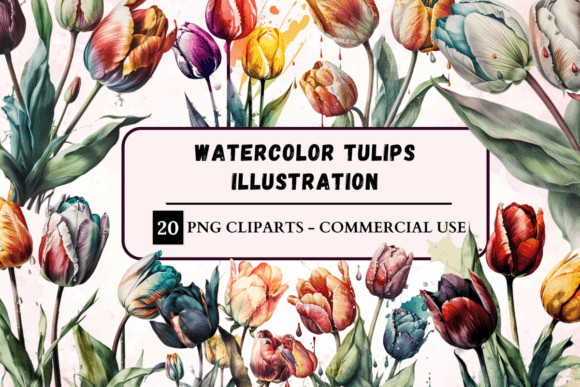
What sets this clipart apart is its distinct personality. The watercolour technique gives each flower a soft, organic, and slightly imperfect feel, which stands in stark contrast to flat vector graphics or sterile stock photography. The colours bleed and blend naturally, creating depth and a hand-painted aesthetic. This style carries an inherent warmth and nostalgia, making it perfect for projects that aim to feel personal, artisanal, or heartfelt. Whether it's the vibrant poppy for August or the delicate snowdrop for January, each illustration has its own character, allowing for targeted and meaningful design choices.
The whimsical nature of the style makes it incredibly versatile. It avoids the stiffness of formal serif font presentations and the cold efficiency of some sans serif font designs. Instead, it introduces a human touch. This makes it an excellent companion to a variety of typography. Pair it with a clean modern typography choice for a balanced, contemporary look, or use it alongside a script font or handwritten font to amplify the personal, crafted feel. The key is that these images act as powerful visual anchors that can guide the entire brand identity of a product or project.
Practical Applications for Creators and Businesses
The true value of any design asset lies in its application. With 24 high-resolution, transparent PNG files, this set opens up a world of possibilities across numerous mediums. For entrepreneurs and small business owners, these images are a shortcut to professional-looking product design. Imagine using the birth month flower for June (the rose) on a series of mugs or pillows. The transparent background allows for seamless integration onto any product colour or pattern. The high DPI ensures that the detail of the watercolour wash isn't lost when printed on T-shirts, hoodies, or posters.
For digital creators and marketers, the clipart set is a goldmine for social media graphics and content marketing. A blogger could create a series of Instagram posts or Pinterest graphics celebrating each month's flower, driving engagement with timely, beautiful content. The files are perfectly sized for phone covers and sticker sheets, which are popular items for print-on-demand businesses. In editorial design and packaging design, a single flower can be used as a spot illustration, a chapter opener, or a decorative element that adds a layer of sophistication and theme without overwhelming the layout.
Integrating Clipart into Your Design Workflow
When incorporating the Birth Month Flower Watercolour Clipart into a project, a strategic approach yields the best results. First, consider the emotional tone. A watercolour peony (July) conveys romance and abundance, perfect for wedding stationery or a boutique's branding. A holly (December) evokes festive tradition, ideal for holiday campaigns. Let the flower's inherent meaning guide your application.
Next, think about visual hierarchy. These illustrations are detailed and colourful, so they naturally draw the eye. Use them as a primary focal point rather than a subtle background texture. In a logo design or web design header, a single, well-placed flower can become the central motif. For printable decorations or card designs, you can create beautiful compositions by combining two or three complementary flowers from the set.
Finally, always test your font pairing. The organic shapes of the watercolour flowers work best with typefaces that offer good contrast or complementary flow. A strong, geometric sans serif font can ground the whimsy of the illustration, providing clear readability for body text. A delicate serif font can enhance the classic, botanical feel. Avoid pairing them with overly ornate or competing display fonts, which can create visual clutter. The goal is harmony, where the clipart elevates the typeface and the overall message of the design.
Maximizing Your Investment in Design Assets
Choosing a premium font or clipart set is an investment in quality and efficiency. This particular collection offers significant value because of its thematic cohesion and technical specifications. The consistent style across all 24 images ensures brand consistency if you're using them for a product line. The large file size and high resolution provide flexibility, allowing you to crop, resize, and manipulate the images for everything from small stickers to large-format posters without quality loss.
Before finalizing a design, always consider the licensing for commercial use, which is typically included with such design assets. This ensures you can legally sell products featuring the artwork. A practical step is to create a few mockups—a phone case, a greeting card, a social media post—to see how the clipart performs in context. This real-world testing is more valuable than any theoretical planning. By thoughtfully applying these watercolour botanicals, you can create products and graphics that feel authentic, beautiful, and deeply connected to a personal story, which is a powerful driver of audience engagement and brand recognition.